Vital Techniques to Improve Your Recognizing of Math Basics
Enhancing one's understanding of math basics calls for a tactical method. Mastering fundamental operations is necessary, as they serve as the structure for much more complicated concepts. Normal practice, integrated with making use of aesthetic help, can significantly improve understanding. Additionally, damaging troubles into convenient parts commonly causes more clear insights. As individuals explore these strategies, they might discover unforeseen connections that additionally enrich their mathematical journey. What might they discover next?
Recognize the Basics: Building a Solid Foundation
While numerous trainees might find maths intimidating, comprehending the essentials is important for building a solid structure. Proficiency of fundamental concepts such as addition, reproduction, department, and subtraction functions as the keystone for even more innovative subjects. Pupils need to concentrate on comprehending these core concepts, as they will experience them continuously in numerous mathematical contexts.
Additionally, knowledge with percentages, decimals, and portions is important, as these aspects usually appear in real-world applications. Identifying patterns and developing problem-solving abilities better enhances mathematical understanding.
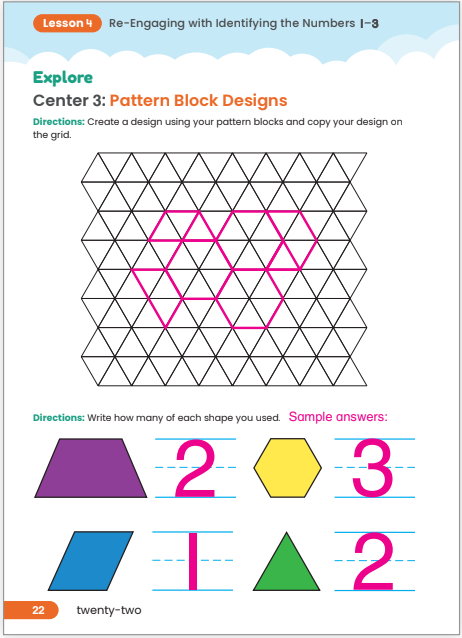
Involving with aesthetic help, manipulatives, and interactive tools can also help with a much deeper comprehension of fundamental concepts. Trainees profit from damaging down complex problems into convenient parts, which makes the learning procedure much less frustrating. Inevitably, a strong grasp of math fundamentals not just prepares trainees for higher-level math but also fosters self-confidence in their abilities, allowing them to deal with obstacles with higher simplicity.
Practice On A Regular Basis: The Trick to Proficiency
Regular method is important for understanding mathematical principles. Involving in daily method sessions permits people to reinforce their understanding while taking on varied problem kinds boosts their analytic skills. This combination fosters a much deeper understanding of maths and builds confidence in using found out skills.
Daily Method Procedure
Regular technique is necessary for anyone looking for to grasp math fundamentals, as it reinforces concepts and improves analytic abilities. Daily technique sessions provide a possibility for students to involve with product proactively, strengthening their understanding via rep. Developing a routine helps to create discipline and encourages a sense of liability. Short, concentrated sessions are usually more efficient than longer, erratic ones, permitting sustained concentration and retention. Furthermore, tracking progress during these sessions can encourage individuals to press with difficulties. Integrating a variety of exercises, while still remaining within the very same subject, warranties that students are constantly developing on their expertise. Inevitably, day-to-day method lays the groundwork for a deeper comprehension of mathematical concepts, fostering self-confidence and capability.
Differed Problem Kind
Involving with a selection of issue types is essential for mastering mathematics fundamentals, as it reveals learners to various situations and challenges. This diversity not just enhances problem-solving abilities however also enhances adaptability in applying mathematical ideas. By practicing a variety of issues, trainees encounter special situations that require them to think seriously and creatively. Changing between trouble types can boost retention of mathematical concepts and enhance overall comprehension. Normal exposure to diverse challenges ensures that students do not become extremely reliant on particular techniques, fostering a much deeper understanding of the topic. Ultimately, incorporating diverse troubles into method regimens gears up trainees with the devices needed to deal with intricate mathematical issues with confidence
Use Visual Aids: Making Principles Tangible
Visual aids play an essential function in making abstract mathematical principles more tangible for learners. They provide concrete depictions of ideas, making it possible for pupils to envision partnerships and patterns that may or else continue to be elusive. Tools such as layouts, graphes, and charts assist to show mathematical principles, allowing students to understand ideas like fractions, geometry, and algebra with higher ease.
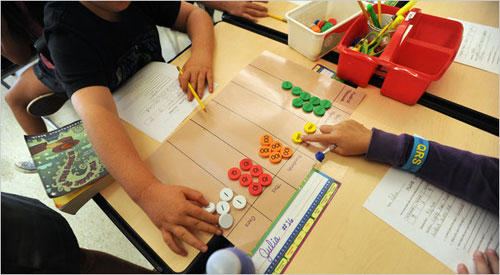
Manipulatives, such as blocks or counters, can additionally improve understanding by involving students in hands-on discovering. This tactile method enables people to experiment and discover mathematical concepts in a physical context. Furthermore, digital sources and interactive software program can produce dynamic visualizations that adapt to a learner's pace, fostering a deeper comprehension of intricate subjects.
Break Issues Down: Streamlining Complicated Challenges
Many students experience challenges when confronted with intricate mathematical troubles, often really feeling bewildered by the ins and outs entailed - struggles in primary math. To navigate these difficulties, damaging issues down into smaller, convenient parts shows to be a valuable method. By isolating specific parts, trainees can concentrate on fixing each section systematically, reducing anxiousness and enhancing understanding
This approach motivates a detailed technique, allowing learners to determine patterns and relationships within the issue. As an example, when tackling a multi-step formula, breaking it down right into separate procedures can clarify the course to the solution. Click This Link Furthermore, students can apply this technique to word problems by drawing out key info and restating the issue in simpler terms.
Eventually, streamlining intricate challenges via disintegration not only cultivates a deeper understanding of mathematical ideas yet likewise constructs self-confidence, enabling pupils to approach future problems with higher simplicity and assurance.
Relate Math to Reality: Finding Practical Applications
Recognizing the significance of maths in day-to-day situations can substantially enhance a student's discovering experience. By connecting math ideas to functional applications, pupils can develop a much deeper understanding and recognition for the topic. Budgeting calls for basic arithmetic and algebraic skills to handle expenditures and cost savings successfully. Food preparation provides opportunities to check out percentages and proportions when changing dishes. Additionally, understanding geometry is important when figuring out the location of a garden or the quantity of a container.
In the ball of innovation, mathematics underpins programs and data analysis, showing its importance in the modern labor force. Engaging with real-life scenarios permits trainees to see math as a tool for analytical rather than an abstract concept. By making these links, students can foster an extra positive perspective towards mathematics, motivating them to find out and apply these skills in various contexts.
Team up With Others: Discovering With Conversation
Although mathematical principles can commonly seem isolated, working together with others via discussion can greatly boost understanding and retention. Involving with peers allows individuals to express their thoughts, clarify questions, and check out various viewpoints on intricate subjects. This exchange not only enhances their own knowledge however additionally exposes them to alternate analytic techniques.
Seminar can cultivate a supportive discovering setting where individuals really feel comfy asking questions and sharing insights. This communal strategy motivates deeper cognitive engagement, as individuals are encouraged to clarify their reasoning and protect their methods. Moreover, reviewing mathematical ideas typically highlights connections in between concepts, making them a lot more relatable and easier to comprehend.
On top of that, cooperation can lead to the discovery of new resources or tools that people may not have actually considered. Ultimately, learning through conversation grows a feeling of area, changing the research of mathematics from a singular venture right into a collective trip of understanding.
Embrace Mistakes: Turning Mistakes Into Discovering Opportunities
Errors are often deemed troubles in the discovering process, yet they can function as powerful stimulants for growth and understanding in maths. They have the possibility to analyze their believed procedures and determine misconceptions when learners run into errors. This reflection fosters a much deeper understanding of mathematical concepts.
Embracing mistakes motivates pupils to adopt a development way of thinking, where obstacles are checked out as opportunities to improve rather than obstacles. By dissecting errors, individuals can pinpoint certain areas needing support, resulting in targeted practice and mastery. In addition, sharing blunders with peers can develop a collective understanding atmosphere where cumulative analytical embellishments.
Educators can promote this process by promoting a society that values exploration and willpower. Celebrating the knowing that emerges from errors reinforces the concept that failing is a natural component of understanding mathematics. Inevitably, by transforming errors right into finding out chances, trainees cultivate durability and Continued improve their mathematical proficiency.
Often Asked Concerns
Exactly How Can I Get Over Math Anxiousness Efficiently?

What Resources Can Help Me Understand Math Better?
Different resources can help in comprehending math better, including on-line tutorials, instructional apps, textbooks, research study groups, and educational video clips. Engaging with several formats aids cater and reinforce principles to different understanding designs properly.
Are There Specific Applications for Exercising Mathematics Skills?
Numerous applications exist for practicing mathematics skills, such as Khan Academy, Photomath, and Natural born player (struggles in primary math). These applications give interactive exercises, descriptions, and customized learning experiences, aiding customers enhance their understanding and proficiency in different mathematical concepts
Exactly how Do I Remain Motivated When Studying Mathematics?
To remain inspired while examining math, one ought to set attainable objectives, reward progress, integrate varied resources like videos or games, and maintain a favorable frame of mind, seeing difficulties as chances for growth instead than obstacles.
What Are Some Typical Misconceptions Concerning Math?
Common misconceptions about math include the beliefs that it is totally concerning numbers, needs inherent skill, and does not have real-world applications. Many likewise think that battling with mathematics signifies a lack of knowledge or ability.
Constant practice is crucial for any individual looking for to understand math fundamentals, as it enhances ideas and boosts analytic abilities. Engaging with a selection of problem types is vital for grasping mathematics principles, as it reveals students to various scenarios and obstacles. By connecting mathematics ideas to sensible applications, trainees can establish a much deeper understanding and appreciation for the topic. Involving with real-life situations allows pupils to see mathematics as a tool for problem-solving rather than an abstract concept. Numerous apps exist for practicing math skills, such as Khan Academy, Photomath, and Prodigy.
Comments on “Why early intervention matters when dealing with struggles in primary math”